


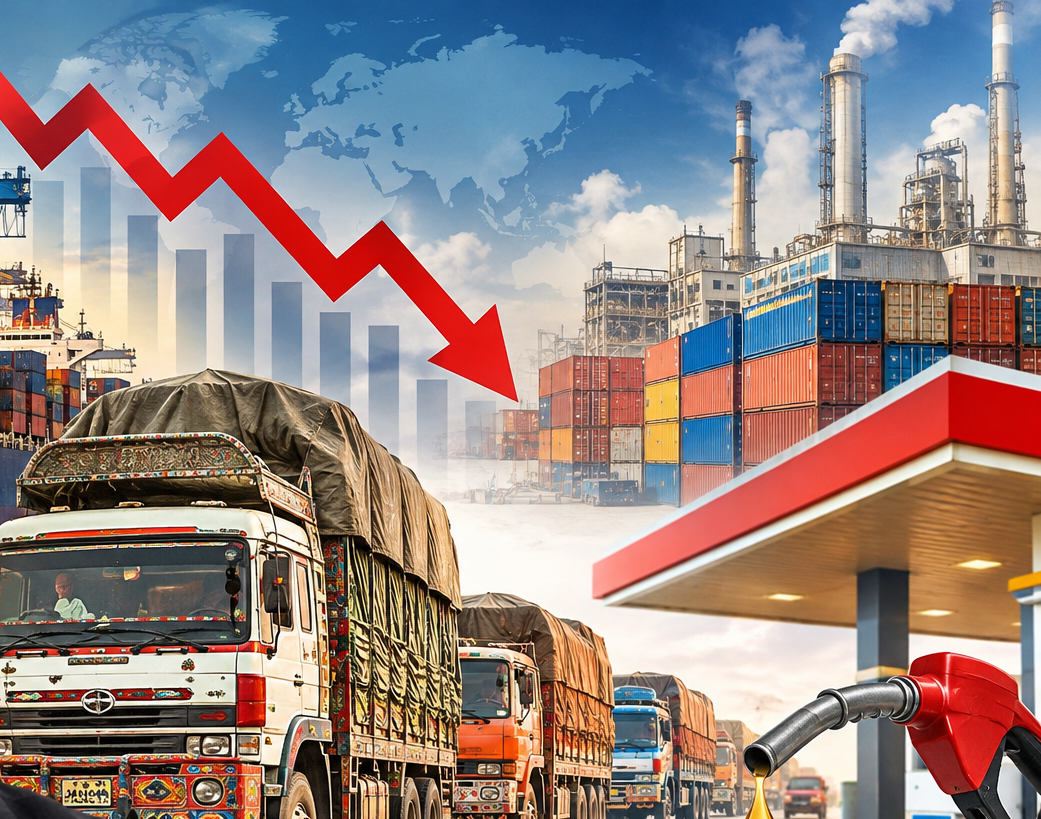
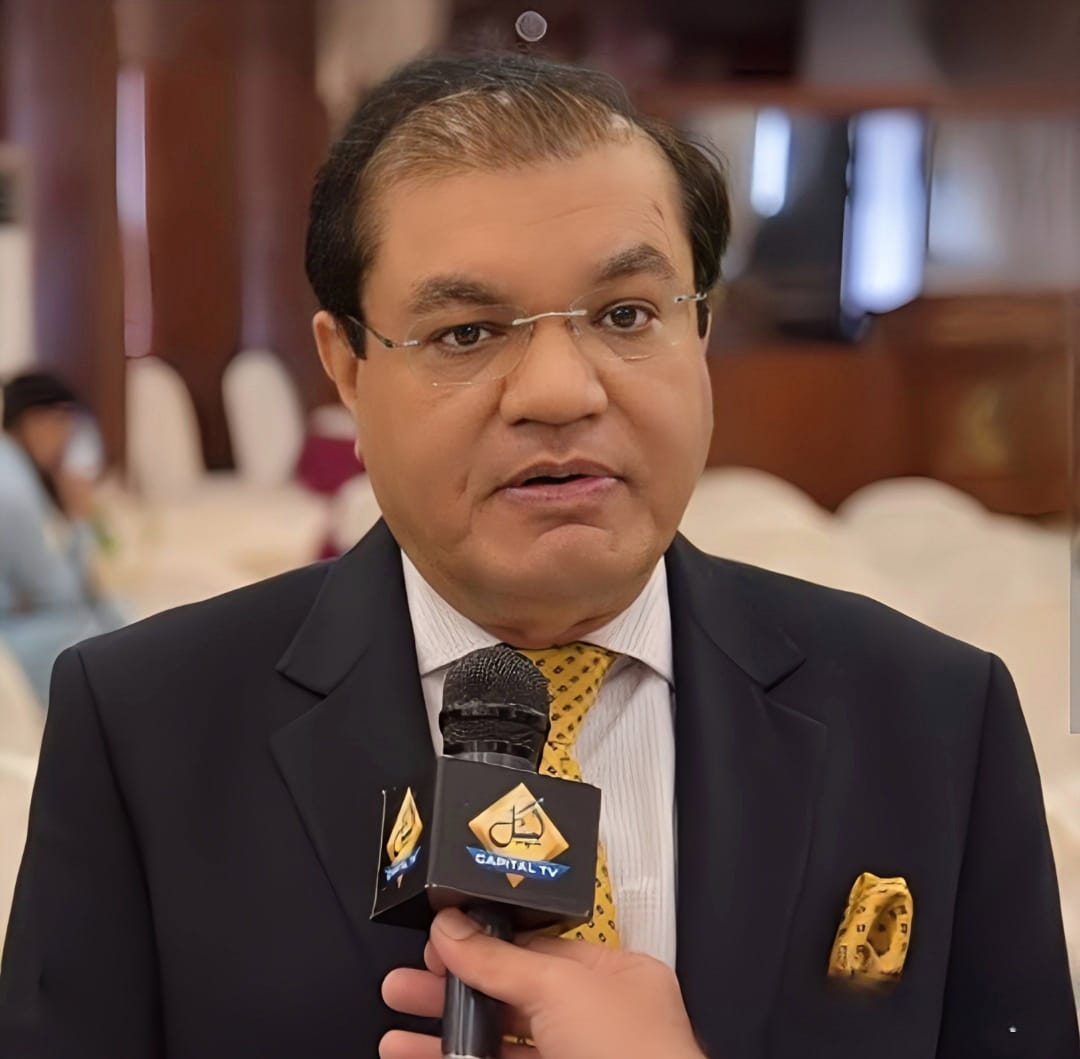
KARACHI, August 13, 2026: President Pakistan Businessmen and Intellectuals Forum and All Karachi Industrial Alliance, Chairman National Business Group Pakistan, Chairman Policy Advisory Board FPCCI and former Provincial Minister for Information Technology Mian Zahid Hussain has expressed serious concern over the nationwide goods transporters strike, warning that the disruption is no longer confined to the transport sector and is rapidly emerging as a major economic impediment for importers, exporters, industries, traders and consumers.
 Mian Zahid Hussain said the strike, which has continued since August 8, has disrupted the movement of more than 400,000 goods-carrying vehicles. Transporters have raised concerns over withholding tax, toll taxes, axle-load regulations, customs-related issues and frequent changes in diesel prices.
He urged the government and transporters to reach a workable solution through immediate and meaningful negotiations, warning that every additional day of the strike is multiplying losses across the economy.
He said importers are among the worst affected, as the normal clearance and transportation of containers arriving at Karachi Port and Port Qasim have been disrupted. Imported raw materials are unable to reach factories, while demurrage, detention, storage and handling charges continue to accumulate despite importers having no control over the situation.
Mian Zahid Hussain said Pakistan imported goods worth approximately $6.89 billion in July 2026, while total merchandise imports reached $69.597 billion during FY2025-26. The country’s imports translate into cargo movement worth approximately Rs64 billion per day, making uninterrupted inland transportation essential for economic activity.
He said prolonged disruption in the movement of cargo from ports is sharply increasing business costs, which would ultimately be passed on to consumers in the form of higher prices. He demanded that the government, Ministry of Maritime Affairs, Karachi Port Trust, Port Qasim Authority, terminal operators and shipping lines fully waive demurrage, detention and related charges imposed on importers and exporters because of the strike.
The export sector is also facing severe pressure, he added. According to the Pakistan Textile Exporters Association, export containers worth around $500 million are stranded at factories. Missing vessel cut-off times is causing shipment delays, additional costs, buyer claims, order cancellations and expensive airfreight, while increasing the risk that international buyers may shift sourcing from Pakistan to competing countries.
Mian Zahid Hussain said Pakistani industries are under continuous pressure as imported and locally sourced raw materials remain stranded, while finished goods cannot move smoothly to ports and markets. The textile sector, which generates around $18 billion in annual exports and is already facing a high cost of doing business, has been particularly affected by the disruption.
He also expressed concern over the petroleum dealers announcement to close petrol pumps nationwide from August 15. He warned that any disruption in fuel supplies and retail sales alongside the goods transport strike could seriously affect business activity, supply chains, the availability of essential commodities and inflation.
He urged the government to immediately constitute an empowered negotiating committee comprising representatives of the relevant ministries, FBR, National Highway Authority, port authorities, FPCCI and transporters to resolve the outstanding issues.
Mian Zahid Hussain stressed that Pakistan cannot afford to paralyse its logistics and supply chains at a time when the country is seeking to increase exports and revive economic activity.
A dispute in the transport sector must not become a financial punishment for the entire national economy, he said, while appealing to goods transporters and petroleum dealers to avoid further hardship for businesses and consumers.
He urged transporters and petroleum dealers to immediately call off their strikes and resolve their legitimate grievances through negotiations, stressing that dialogue remains the most effective way to protect both economic activity and the interests of all stakeholders.


