

By Yousuf Ibnul Hasan
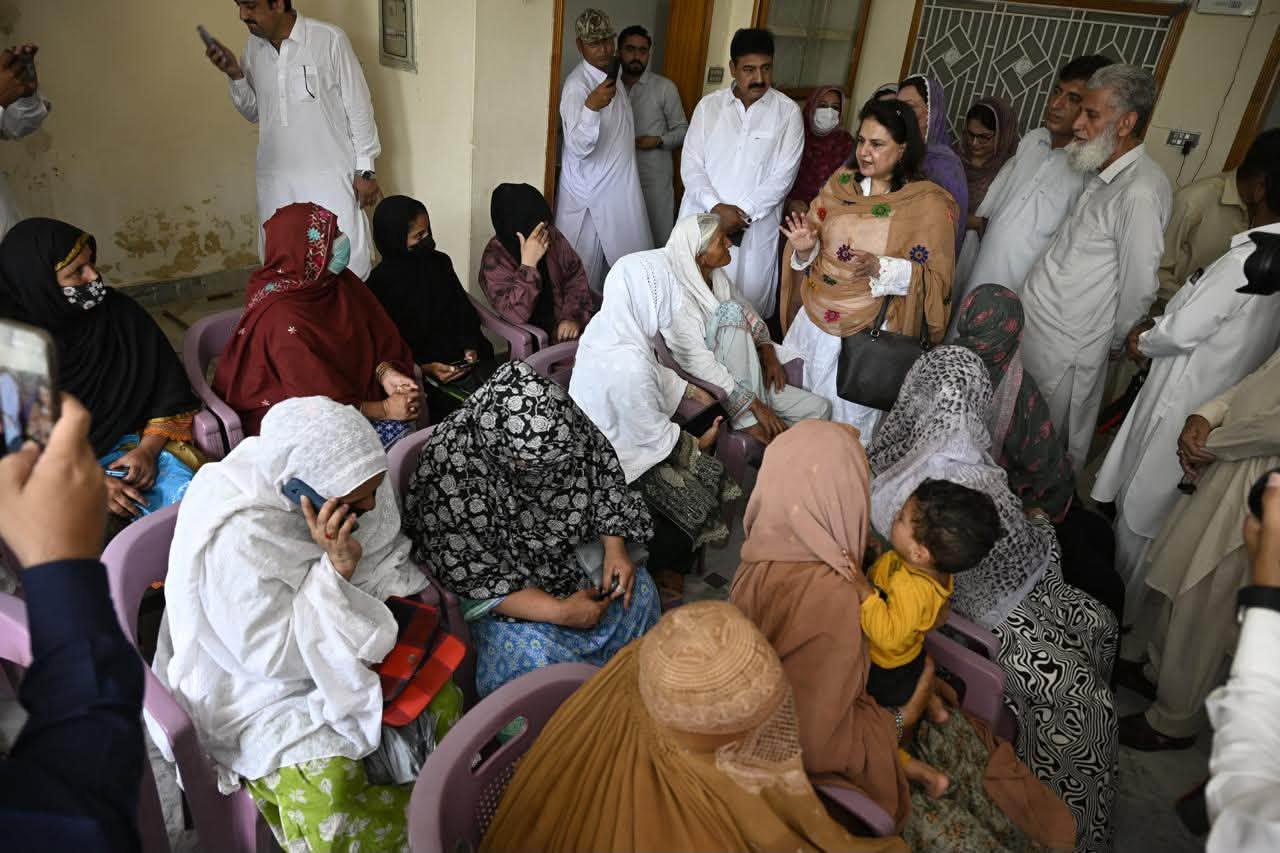
In Pakistan today, millions of people measure their future not by education, opportunity, or ambition, but by the price of flour, sugar, electricity, cooking oil, and medicine. For many families, survival has become a daily calculation. Outside payment centres, long queues of women, elderly citizens, persons with disabilities, and low-income families waiting for a few thousand rupees have become one of the country’s most sobering sights. Under the scorching sun, they clutch their identity cards as if they were tickets to survival. This is no longer merely poverty relief; it is poverty on public display.
The Benazir Income Support Programme (BISP), launched in 2008, was designed to protect vulnerable households from hunger, inflation, and economic hardship. Over the years, it has become Pakistan’s largest social safety net, helping millions of deserving families. International development institutions, including the World Bank and the Asian Development Bank, have recognized its contribution to social protection. Few would dispute that widows, daily wage earners, disaster-affected families, and the unemployed often require immediate assistance. A hungry child cannot eat economic theories, and an empty kitchen does not respond to political speeches.
Yet an important national question remains: Can a welfare programme, however essential, substitute for a productive economy?
Pakistan’s greatest challenge is not a shortage of hardworking people; it is the shortage of opportunities that allow people to earn a dignified living. Sustainable prosperity comes from investment in industries, agriculture, technology, exports, entrepreneurship, and skills, not from long-term dependence on cash transfers alone. Welfare can alleviate hardship, but it cannot replace employment, innovation, or economic growth.
The concern, therefore, is not with the existence of social protection itself, but with the direction of economic policy. A country of more than 240 million people cannot build its future on expanding welfare rolls alone. Cash assistance may ease immediate suffering, but it cannot establish factories, strengthen supply chains, increase exports, or create skilled entrepreneurs. Helping a hungry family today is an act of compassion; ensuring that future generations no longer need such assistance is the responsibility of sound economic planning.
Meanwhile, ordinary Pakistanis continue to face rising living costs. Higher utility bills, increased fuel prices, expanding indirect taxation, and persistent inflation have placed immense pressure on low- and middle-income households. Families struggle to balance rent, food, education, healthcare, and transportation expenses. At the same time, many citizens perceive that public-sector privileges and government expenditures remain insulated from the sacrifices demanded of ordinary taxpayers. Whether this perception is entirely accurate or not, it contributes to growing public frustration and declining trust in economic policymaking.
There is also a broader policy dilemma. If economic growth fails to generate sufficient employment and incomes, the number of households requiring government assistance may continue to increase. Such an outcome would place enormous pressure on public finances and reduce the state’s capacity to invest in infrastructure, education, healthcare, and productive sectors. A programme designed as a safety net should not become the primary economic strategy for a nation.
Critics therefore argue that alongside social protection, Pakistan should significantly expand investment in small and medium enterprises, vocational education, modern agriculture, fisheries, manufacturing, transport infrastructure, and affordable financing for entrepreneurs, particularly women and young people. Imagine thousands of small factories operating across Pakistan instead of thousands of payment queues. Imagine skilled workers launching businesses, women running successful home enterprises, and young engineers creating innovative products. A sewing machine provides income. A workshop creates independence. A factory generates employment for generations.
At the same time, concerns regarding transparency deserve serious attention. Various audit observations and official investigations over the years have highlighted issues such as ineligible beneficiaries, irregular registrations, and weaknesses in programme administration. Reports have also alleged that some deserving recipients lose part of their payments through unauthorized deductions by intermediaries. Addressing these governance challenges is essential to preserving public confidence and ensuring that assistance reaches those for whom it is intended.
Supporters of BISP rightly point out that vulnerable families cannot wait for long-term economic reforms while facing immediate hunger. They are correct. Abruptly withdrawing assistance would cause severe hardship for millions. Social protection remains an essential responsibility of the state, particularly during periods of economic distress. However, emergency assistance should complement, not replace, a comprehensive strategy for employment creation and economic development. Painkillers may ease suffering, but they do not cure the underlying illness.
Pakistan’s long-term challenge is therefore not simply to expand welfare, but to expand opportunity. Successive governments have introduced relief packages, negotiated international loans, and implemented fiscal adjustments. Yet the central question remains: How can Pakistan create an economy capable of providing dignified employment rather than prolonged dependence?
History offers a clear lesson. Nations achieve lasting prosperity through productivity, innovation, skilled labour, competitive industries, strong institutions, and economic justice. Effective welfare systems are important, but they are most successful when they support citizens during difficult periods while enabling them to return to productive employment.
The real debate, therefore, should not be framed as welfare versus development. Pakistan needs both. A compassionate society must protect its most vulnerable citizens, while an ambitious economy must create opportunities that gradually reduce dependence on state assistance. The ultimate measure of success is not how many people receive financial support, but how many no longer need it because they have secure jobs, thriving businesses, and sustainable incomes.
Pakistan cannot build a prosperous future by allowing dependency to become permanent. The path forward lies in expanding opportunity, encouraging enterprise, strengthening institutions, investing in human capital, and ensuring that economic growth reaches every segment of society. Welfare should remain a bridge to self-reliance, not a destination in itself.
The columnist is a Program Consultant in Islamic Banking and Applied Finance, teacher, trainer, author, banker, and broadcaster. He can be reached at: pride4pen@gmail.com.