


KARACHI: Karachi’s restaurant industry reflects the city’s extraordinary ethnic, cultural and migration history. From Pashtun tea dhabas and Shinwari restaurants to Muhajir nihari houses, Punjabi barbecue outlets, Sindhi cultural eateries, Memon businesses and Baloch sajji restaurants, different communities have played prominent roles in shaping the city’s food culture.
However, ownership is not formally categorized by ethnicity, and many restaurants have diverse ownership, partnerships and workforces. The following overview highlights historical and commonly observed community associations with particular food businesses and culinary traditions, rather than suggesting that a particular community exclusively controls any sector.
Pashtun Community: Dhaba, Tea and Meat Culture
The Pashtun community has a strong presence in Karachis everyday tea, dhaba and meat-based restaurant economy.
The well-known Quetta Chai culture has expanded throughout the city, with numerous tea shops serving doodh patti, malai chai, paratha and breakfast items. Many such establishments are operated by entrepreneurs with roots in Balochistans Quetta and Pishin areas.
Pashtun entrepreneurs are also strongly associated with Shinwari and Peshawari restaurants, particularly establishments specializing in mutton, karahi, BBQ and traditional meat dishes. Restaurants carrying names such as Shaheen Shinwari, Sardar Shinwari and Tooba Shinwari are examples of the culinary branding associated with this tradition.
Muhajir Community: Nihari, Qorma, Biryani and Heritage Cuisine
The Urdu-speaking Muhajir population, whose families migrated to Karachi from various parts of British India around and after Partition, made a major contribution to the city’s North Indian and Urdu-speaking culinary heritage.
Nihari, qorma, haleem, kababs, sheermal and traditional biryani became particularly prominent in neighborhoods with large Urdu-speaking populations.
Well-known food establishments such as Javed Nihari, Zahid Nihari and Sabri Nihari, along with other long-established family businesses, are often associated with Karachis Muhajir food heritage.
The historic Burns Road food district remains one of the most visible examples of this culinary legacy, offering traditional dishes that have become part of Karachi’s identity regardless of ethnic background.
Memon and Gujarati Communities: Business, Catering and Family Food Enterprises
The Memon and broader Gujarati-speaking business communities have historically played an important role in Karachi’s commercial landscape, including restaurants, bakeries, catering businesses and food retail.
Their contribution can particularly be seen in high-volume food businesses, catering operations, bakeries, sweets and family-owned restaurants.
Memon culinary traditions also include distinctive dishes such as Memon-style khao suey and yakhni pulao, with some recipes remaining closely associated with individual families and community networks.
The broader Gujarati-speaking commercial ecosystem also includes Bohra and Khoja communities, whose food businesses have contributed to Karachis diverse restaurant scene.
Sindhi Community: Restaurants as Cultural Ambassadors
For the Sindhi community, restaurants have increasingly become a way of introducing traditional cuisine and hospitality to Karachis wider population.
Restaurants such as Otaq Restaurant, have promoted Sindhi cultural traditions alongside food. Dishes associated with Sindhi cuisine include Sai Bhaji, Sindhi Biryani, bheh (lotus stem), fish and other regional specialties.
The concept of the Otaq, a traditional Sindhi space for hospitality and social interaction, has also influenced the atmosphere and design of some Sindhi-oriented restaurants.
These establishments are not merely places to eat; they can also serve as cultural platforms where urban Karachi residents experience aspects of Sindh’s regional heritage.
Punjabi Community: BBQ, Tandoor and Lahori Desi Food
Punjabi entrepreneurs have established a substantial presence in Karachi’s desi food market, particularly in BBQ, tandoori cuisine, karahi and traditional breakfast businesses.
Lahori-style food outlets serving chana, siri paye, halwa puri, lassi and tak-a-tak/kata-kat are common across the city. Restaurants using names associated with Lahore, Punjab or the Butt Karahi tradition are particularly visible examples of this culinary influence.
Punjabi entrepreneurs are also active in dhabas, milk shops, breakfast restaurants and BBQ outlets, helping make Punjabi food a permanent part of Karachi’s dining culture.
Baloch Community: Sajji and Traditional Meat Cooking
The Baloch community has a long association with Karachi, particularly in areas such as Lyari, Malir and other historic settlements.
One of the strongest culinary associations is sajji, whole chicken or lamb prepared on skewers and roasted over heat. Restaurants and roadside food outlets specializing in sajji have become popular far beyond Baloch neighborhoods.
Businesses carrying names such as Baloch Sajji and establishments associated with the Baloch culinary tradition have helped popularize this cuisine among Karachi’s wider population.
Restaurants such as Anwar Baloch Restaurant are also frequently mentioned in connection with the citys long-standing Baloch food culture.
Karachi’s Food Industry Is Bigger Than Ethnic Ownership
Although community traditions can help explain why particular foods and restaurant types became popular in particular neighborhoods, Karachis modern restaurant industry is increasingly difficult to divide strictly along ethnic lines.
Today, restaurants employ people from different communities, business partnerships cross ethnic boundaries, and customers routinely travel across the city to enjoy cuisines associated with communities other than their own.
A Pashtun-owned restaurant may serve food loved by Muhajirs, Punjabis, Sindhis or Baloch residents. A Sindhi restaurant may attract customers from every part of Karachi. Similarly, biryani, nihari, BBQ, sajji, karahi and chai have all moved beyond their original cultural boundaries.
A Culinary Map of Karachi
Karachi’s food story is ultimately a story of migration, entrepreneurship and cultural exchange. Different communities brought recipes, cooking techniques, business traditions and hospitality styles to the city, while Karachi transformed them into a shared urban food culture.
Rather than asking which community owns Karachi’s restaurants, a more accurate question may be: Which communities helped shape the food culture that Karachiites collectively enjoy today?
The answer includes Pashtuns, Muhajirs, Sindhis, Punjabis, Baloch, Memons, Gujaratis, Bohras, Khojas and many other communities that have made Karachi one of Pakistans most diverse culinary cities.
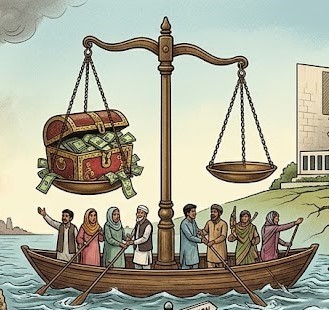
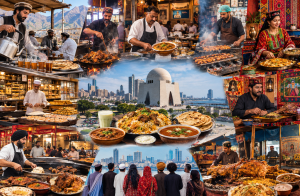
Disclaimer: This report is intended as a cultural and historical overview. Restaurant ownership can change, and ethnicity or community affiliation cannot always be independently verified from publicly available information. References to particular businesses or communities should not be interpreted as claims of exclusive ownership or control. The report does not imply that all members of a community are involved in a particular food business. The image is AI-generated and is used for illustrative purposes only.