



Pakistan’s financial hub, Karachi, has been ranked 170th out of 173 cities worldwide in the 2026 Global Liveability Index published by the Economist Intelligence Unit (EIU), highlighting persistent challenges in governance, infrastructure, public services, and quality of life.
According to the latest EIU report, Karachi received an overall liveability score of 42.7 out of 100, placing it among the five least liveable cities in the world. The city performed better only than Dhaka, Tripoli, and Damascus.
The report shows a significant decline in Karachi’s global standing over the past few years. The city was ranked 134th in 2021, but its position has steadily deteriorated since 2022, reaching 170th in the 2026 rankings.
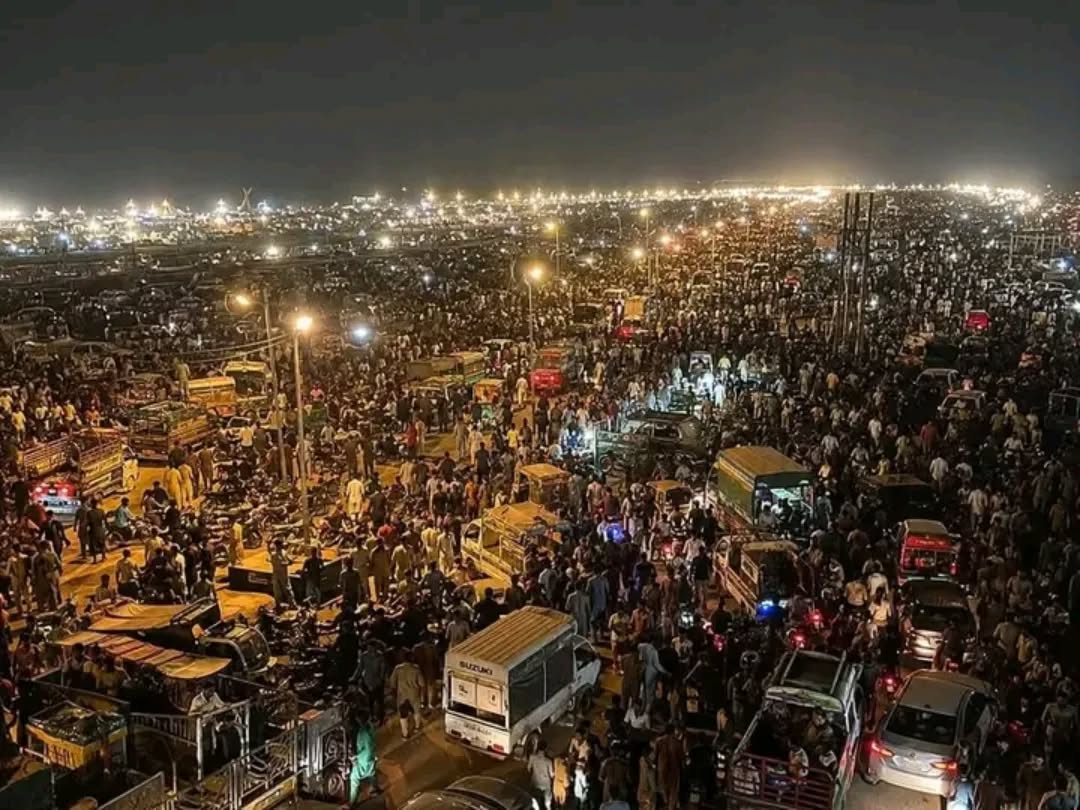
The Global Liveability Index evaluates cities based on several key indicators, including stability, healthcare, education, infrastructure, environment, transportation, and access to essential public services. Karachi’s low ranking reflects longstanding concerns over urban management, civic amenities, traffic congestion, sanitation, law and order, and municipal service delivery.
Political observers and critics argue that the city’s poor performance also raises questions about governance and administrative efficiency. They point to continued municipal challenges despite the availability of greater financial resources following Pakistan’s 18th Constitutional Amendment and years of governance under the Sindh provincial administration.
Critics further contend that the Karachi Metropolitan Corporation (KMC) has struggled to address the city’s growing urban issues, alleging that governance problems have persisted during the tenure of Mayor Murtaza Wahab. They argue that the city’s condition has continued to decline rather than improve.
Despite its low global ranking, Karachi remains Pakistan’s largest city, commercial capital, and economic engine. Home to millions of residents, it continues to generate a significant share of the country’s economic activity while serving as a center for commerce, industry, finance, and employment.
Urban planners believe the latest ranking should serve as a wake-up call for policymakers, emphasizing the need for comprehensive reforms in municipal governance, public transportation, healthcare, education, waste management, and urban infrastructure to improve the quality of life for Karachi’s residents.
As debate continues over the city’s future, many residents and stakeholders are calling for stronger accountability, better planning, and sustained investment to restore Karachi’s position as a more liveable and globally competitive metropolis.
Disclaimer: This report is based on the 2026 Economist Intelligence Unit (EIU) Global Liveability Index and incorporates publicly available information and viewpoints reflected in the source material. Statements regarding governance, political performance, or allegations represent claims and opinions attributed to critics and should not be construed as established facts. Readers are encouraged to refer to the official EIU report and relevant authorities for complete context.