


By Shahid Anwar
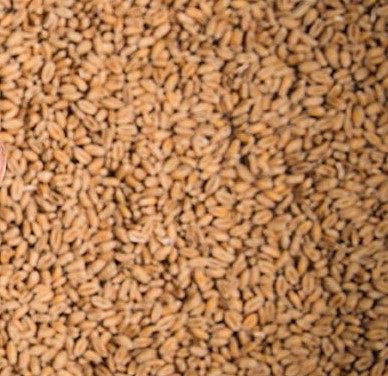
Pakistan’s wheat sector once again finds itself at the center of national policy discussions as the Pakistan Flour Mills Association has expressed concerns about future wheat availability and urged the government to allow timely imports if required. Meanwhile, the government maintains that existing wheat stocks are sufficient to meet the country’s current needs, indicating that there is no immediate shortage.
The debate should not be limited to whether Pakistan should import wheat. Instead, the focus should be on whether the country possesses a reliable and transparent system to accurately assess wheat production, available stocks, consumption requirements, and future supply gaps before making critical policy decisions.
Pakistan’s wheat challenge extends beyond supply issues. It is fundamentally about having accurate information, timely decision-making, and a predictable policy framework that enables the government and stakeholders to respond effectively to changing market conditions.
Pakistan achieved a record wheat production of approximately 31.8 million tonnes during the 2024/25 crop season. However, preliminary estimates for the 2025/26 season suggest production may decline to around 29 million tonnes, representing a decrease of nearly 2.8 million tonnes, or roughly 9 percent, within a single year.
Industry experts attribute this decline to several factors, including reduced cultivated area, changing farmer incentives, increasing production costs, water scarcity, and other agricultural challenges. Rising input costs and uncertainty regarding government procurement policies have also influenced farmers’ planting decisions, potentially affecting future domestic wheat supplies.
Despite these concerns, the government has stated that Pakistan currently has 33.47 million tonnes of wheat available against an estimated national requirement of 33.58 million tonnes, suggesting that the overall supply situation remains manageable for now.
Nevertheless, market observers believe that rising wheat prices, concerns expressed by flour millers, the need to maintain strategic reserves, and timely procurement policies require continuous monitoring and better coordination among relevant institutions.
Pakistan should adopt a comprehensive wheat management system built upon several key principles:
- Transparent and regularly updated information on wheat stocks.
- Accurate and independent forecasting of wheat production.
- Clear, predictable criteria for import and export decisions.
- Timely procurement policies and fair price signals for farmers.
- Improved storage infrastructure, strategic reserve management, and supply-chain efficiency.
The food security cannot rely on reactive policies or last-minute interventions. Instead, Pakistan should develop an evidence-based wheat management framework capable of anticipating market conditions before they become crises.
A predictable and transparent policy environment would not only protect consumers from sudden price increases but also provide farmers with greater confidence to invest in wheat production. At the same time, stronger planning mechanisms would reduce uncertainty for flour mills and other stakeholders across the agricultural supply chain.
As climate variability, water shortages, and rising production costs continue to challenge agriculture, experts believe that strengthening data collection, forecasting, and policy coordination will be essential for ensuring Pakistan’s long-term food security and maintaining stable wheat supplies for its growing population.
[The writer is an Economic Analyst and former Secretary General of the Federation of Pakistan Chambers of Commerce and Industry (FPCCI). He has also served as Senior Director Research at the Institute of Cost and Management Accountants of Pakistan (ICMAP). He can be reached atshahid.anwar.writer.26@gmail.