

Some books transcend mere storytelling to become living records of a nation’s history, migration, sacrifices, and cultural identity. “Shahr-e-Mohabbat, LalMonirat,” authored by Syed Iqbal Hussain, exemplifies this remarkable contribution.
An engineer currently based in the United States, Syed Iqbal Hussain has woven decades of personal experiences, historical research, and family heritage into a well-documented narrative that captures the journey of migration, resilience, and identity.
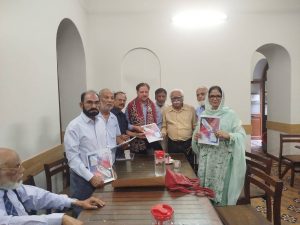
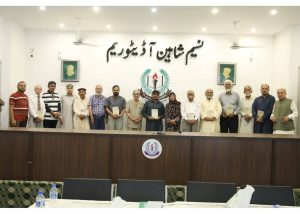
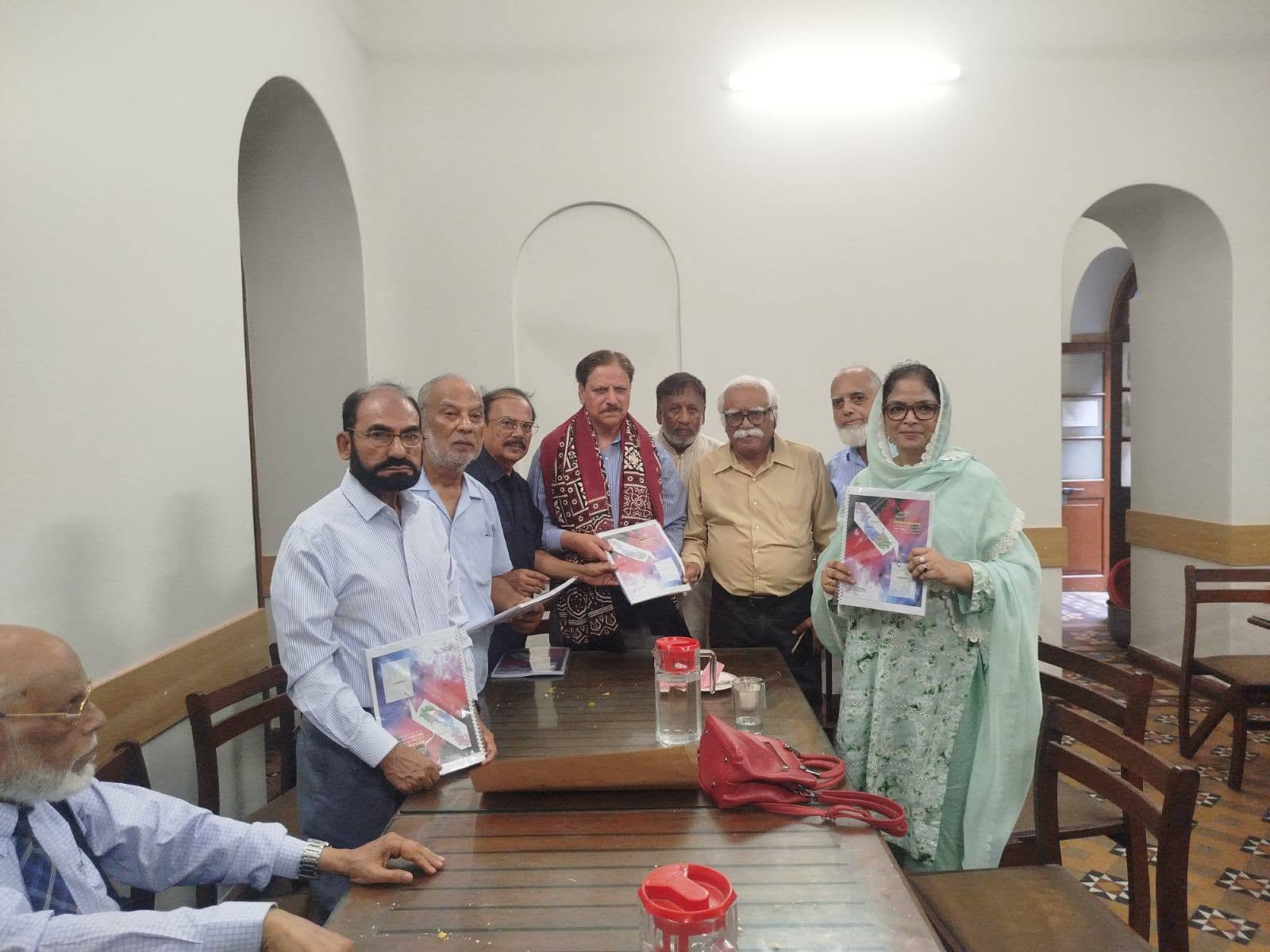
The book was recently launched at the Karachi Press Club, where scholars, journalists, writers, and members of the literary community gathered to celebrate this important publication. During the event, the author shared his family’s role in the Pakistan Movement, the tragic losses suffered during the 1946 Bihar riots, and their migration to LalMonirHat in 1947 following the call of Quaid-e-Azam Muhammad Ali Jinnah.
More than a personal memoir, this book offers a carefully researched account of the history of the Indian subcontinent, the Pakistan Movement, the migration of Bihar Muslims, and the socio-political transformations that shaped the region. It highlights historical states and regions, supported by maps, rare photographs, archival material, and valuable references.
A notable literary tribute within the book is dedicated to the renowned poet and scholar Professor Dr. Kaleem Aajiz, whose legacy enriches the publication’s cultural significance.
One of the book’s most fascinating aspects is its documentation of historical landmarks, including an ancient mosque believed to date back to the era of the Companions of the Prophet (PBUH), alongside rare images, historical maps, and memorable photographs from LalMonirHat Railway High School.
“Shahr-e-Mohabbat, LalMonirHat” is far more than a historical narrative; it is a bridge connecting past and present, ensuring that the memories of migration, heritage, sacrifice, and national identity remain alive for future generations. It is a highly recommended read for historians, researchers, students, and anyone interested in the shared history of South Asia.


