



By Shahid Anwar
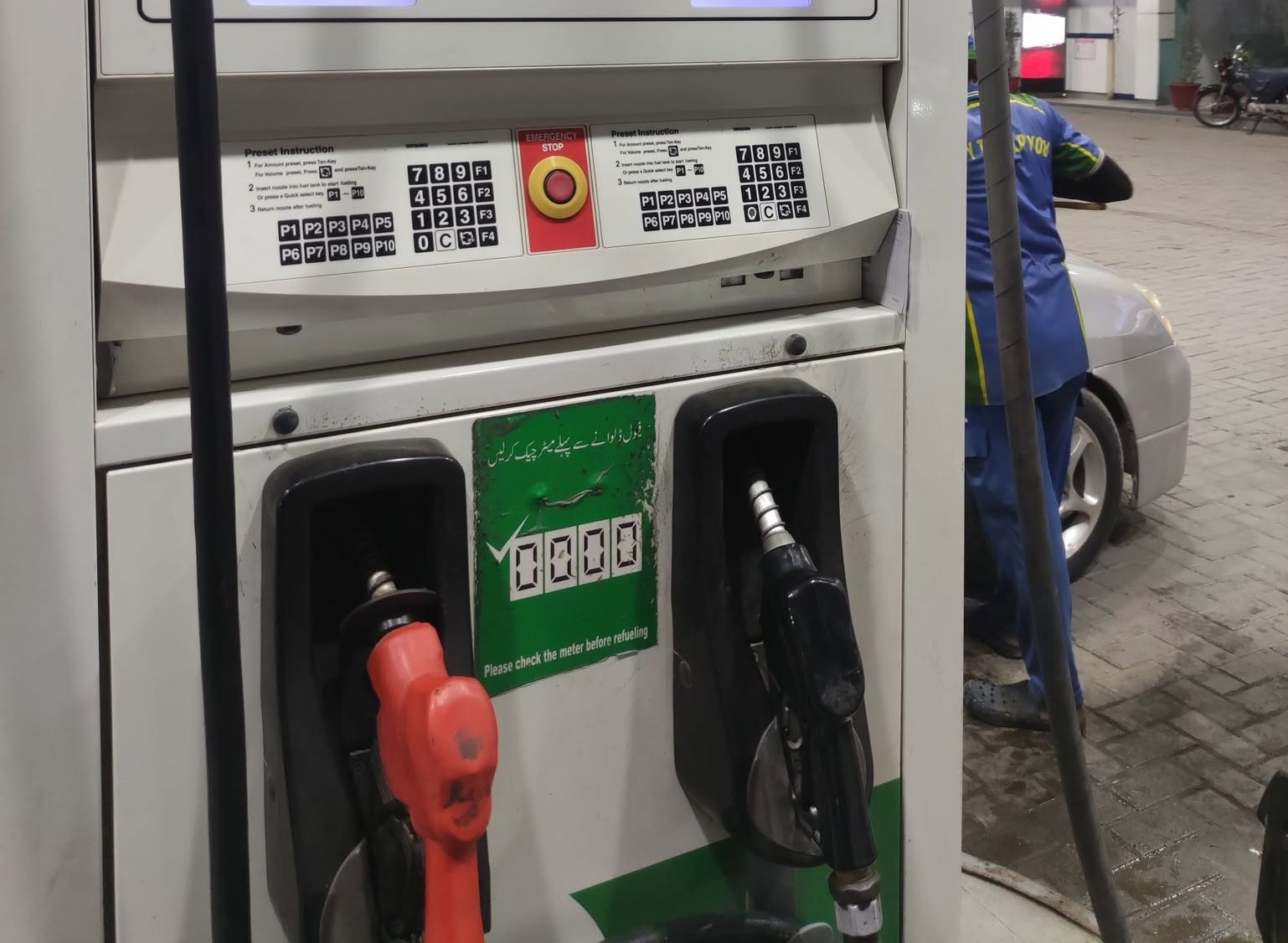
The government’s reported proposal to introduce daily petroleum price revisions has generated considerable public debate. Most discussions have focused on one question: Should fuel prices change every day instead of fortnightly? While this is an important operational issue, it is not the central policy challenge facing Pakistan’s energy sector.
The real question is much more fundamental: Who should bear the market risk created by fluctuations in international oil prices, the government, oil marketing companies, or consumers? Unless policymakers answer this question with clarity and fairness, changing the frequency of petroleum price notifications will remain little more than an administrative adjustment rather than a meaningful economic reform.
Across the world, daily petroleum pricing is widely accepted as an efficient market practice. It enables quicker transmission of international price movements, minimizes pricing distortions, and improves financial discipline throughout the petroleum supply chain. Consumers and businesses benefit when domestic fuel prices accurately reflect changes in global crude oil markets and exchange rates without unnecessary delays.
However, daily pricing should not be mistaken for comprehensive energy reform. Revising prices every day, by itself, will neither strengthen Pakistan’s energy sector nor improve its long-term competitiveness. The real measure of success will be whether the new pricing framework enhances transparency, promotes fair competition, strengthens public confidence, and ensures efficient price transmission.
To achieve these objectives, four fundamental policy principles should guide the implementation of any daily petroleum pricing mechanism.
First, transparency must be non-negotiable. Every daily fuel price notification should clearly explain how the retail price has been calculated. Consumers deserve to know the precise contribution of international oil prices, exchange rate movements, petroleum levy, taxes, freight costs, dealer commissions, and oil marketing company margins. Transparent pricing is not merely a technical exercise; it is the foundation of public trust and policy credibility.
Second, fiscal objectives should not undermine economic competitiveness. Petroleum products remain an important source of government revenue, but excessive dependence on fuel taxation carries significant economic costs. Higher fuel prices increase transportation and logistics expenses, raise industrial production costs, fuel inflation, and reduce the competitiveness of Pakistani exports. Sustainable fiscal management should complementnot compromiseeconomic growth. Revenue generation must be balanced with productivity, investment, and export competitiveness.
Third, market discipline must apply equally to all stakeholders. If consumers are expected to absorb international price increases immediately, they should also receive the full benefit whenever global prices decline. A genuinely market-based pricing system cannot operate in only one direction. Prices must move downward with the same speed and transparency with which they move upward. Anything less erodes public confidence and weakens the credibility of reform.
Fourth, petroleum pricing should form part of a broader energy reform strategy. Pakistan’s long-term energy security cannot be achieved through pricing reforms alone. The country must modernize its refining capacity, reduce dependence on imported fuels, encourage domestic energy production, accelerate investment in renewable energy, improve energy efficiency, and promote energy conservation. Pricing reform should support these structural changes rather than substitute for them.
To strengthen accountability, the government should publish a comprehensive daily price build-up explaining every component of the retail fuel price. Such disclosure would enable consumers, businesses, researchers, and policymakers to understand exactly how prices are determined. Transparency of this nature would significantly improve accountability while reducing speculation and misinformation.
At the same time, effective regulatory oversight is essential. Regulatory authorities must ensure that reductions in international oil prices are transferred to consumers promptly and completely. A pricing mechanism that responds quickly to increases but slowly to decreases cannot be considered either fair or market-oriented.
Ultimately, the success of daily petroleum pricing should not be measured by how frequently prices change. Rather, it should be judged by whether it creates a transparent, predictable, and competitive energy market that protects consumers, encourages investment, improves market efficiency, and strengthens Pakistan’s economic competitiveness.
Pakistan’s energy sector requires reforms that inspire confidence, not merely procedural changes. Daily petroleum pricing has the potential to become an important milestonebut only if it is implemented within a framework of transparency, accountability, fairness, and sound economic policy.
I respectfully urge the Honorable Minister for Energy to ensure that this initiative evolves beyond an administrative exercise and becomes the foundation of a modern, transparent, and competitive petroleum market. If implemented with these principles at its core, this reform can become a landmark achievement that strengthens both Pakistan’s energy security and its economic future.
[The writer is an Economic Analyst and former Secretary General of the Federation of Pakistan Chambers of Commerce and Industry (FPCCI). He has also served as Senior Director Research at the Institute of Cost and Management Accountants of Pakistan (ICMAP). He can be reached atshahid.anwar.writer.26@gmail.