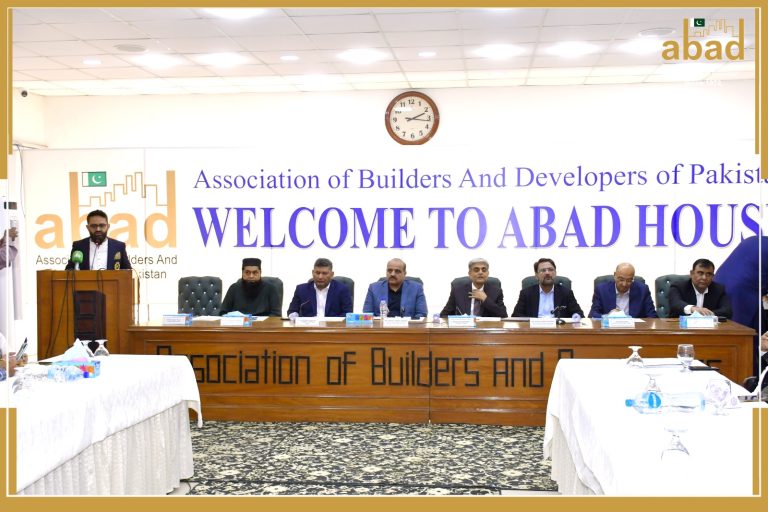

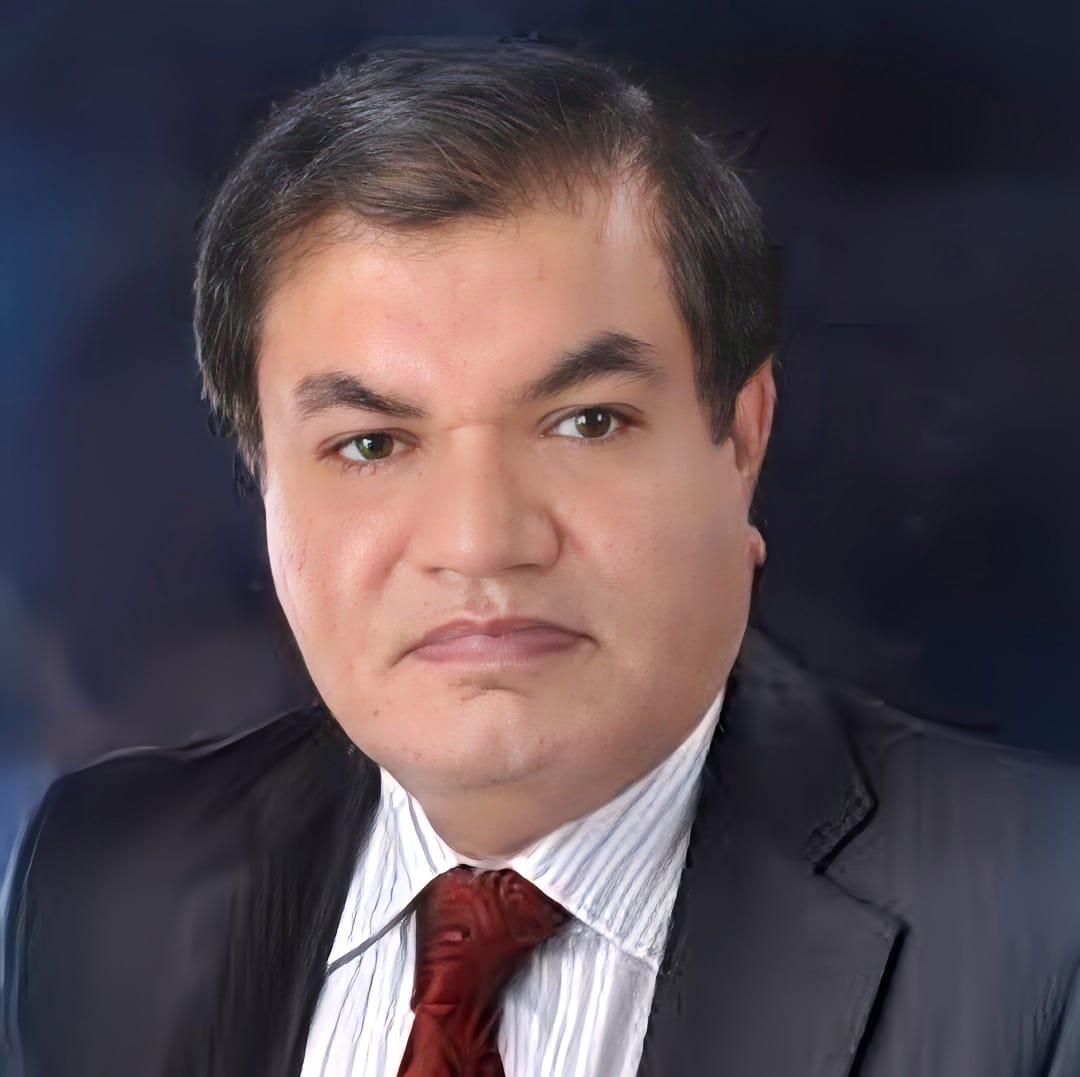
KARACHI: Mian Zahid Hussain, President of the Pakistan Businessmen and Intellectuals Forum and All Karachi Industrial Alliance, Chairman of the National Business Group Pakistan, Chairman of the Policy Advisory Board FPCCI, and former provincial minister for information technology, said on Monday that the revival of Basant in Lahore is not only a cultural necessity but also a powerful economic engine for the country.
Addressing the business community, he said a regulated festival could generate between Rs6 to Rs8 billion in direct and indirect economic activity within just three days, offering timely relief to a struggling economy.
He appreciated the administrative arrangements and oversight introduced this year to prevent accidents, noting that improved governance had strengthened investor confidence. Citing market figures, he said that in the first few days of February alone, the kite-flying industry recorded a trade surge exceeding Rs1.5 billion, with more than one million kites and 20,000 spools sold in Lahore.
According to him, the financial benefits reach far beyond traders and manufacturers. This circulation of capital supports the poorest segments of society bamboo cutters, paper artisans, chemical suppliers, transporters, and even street food vendors, he added.
Calling Basant Pakistans equivalent of the Dubai Shopping Festival, Mian Zahid Hussain said other countries earn billions through constructed tourism events, whereas Pakistan has at times restricted a natural cultural brand that already commands international attraction.
He observed that hotel occupancy in Lahore rose sharply during the festivities, while rooftop rentals ranged from Rs200,000 to Rs1 million, with premium locations reportedly touching Rs2.5 to Rs3 million for the three-day period. This, he said, injected significant liquidity into the hospitality and services sectors.
On the question of safety, the veteran business leader termed fatalities caused by glass- or metal-coated strings unacceptable. However, he maintained that outright bans tend to push activities underground, increasing risks rather than eliminating them.
He proposed a Safe Zone Model, similar to arrangements in DHA Phase 9 and other designated corridors, where kite flying can take place under strict monitoring. He also welcomed the introduction of QR-coded kites and mandatory safety rods for motorcycles, stressing that regulation and technology, not prohibition, provide sustainable solutions.
Mian Zahid Hussain further highlighted the importance of Basant in improving Pakistans global perception. A safe and vibrant festival, he said, projects a peaceful and culturally rich image of the country, helping counter negative narratives abroad.
He urged the Punjab government to establish a permanent Basant Regulatory Board, modeled after professional sports bodies, and comprising representatives from the administration, police, and the business community. Such an institution, he said, would ensure professional management of the event, protect thousands of associated jobs, and maintain zero tolerance for hazardous materials.
Handled responsibly, Basant can remain both safe and economically transformative, he concluded.